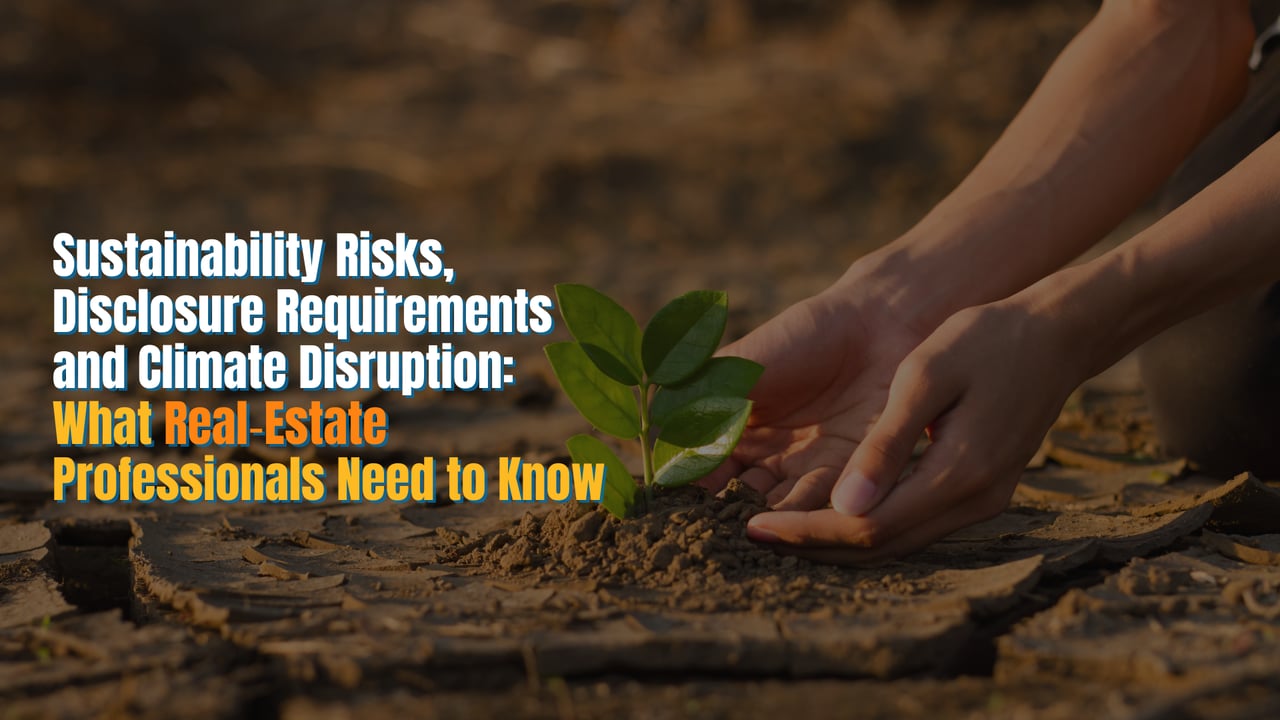
Real estate is facing a historic convergence of climate policy, market expectations, and extreme weather. Buildings account for a large share of global carbon emissions, and their fixed nature makes them vulnerable to the effects of climate change. In this environment, real estate professionals must adapt to new regulations, understand the impact of climate risks on property values, and take proactive steps to ensure sustainability.
The Growing Need for Sustainability
Climate change is intensifying, causing more frequent and severe weather events that disrupt not only physical infrastructure but also entire economies. Over the past few decades, the number of billion-dollar disasters in the United States has surged, highlighting the need for immediate attention to resilience. In fact, the frequency of extreme weather events, from wildfires to hurricanes, is pushing property values in vulnerable areas down, while also increasing demand for buildings designed to withstand these pressures.
Emerging Disclosure Requirements
As governments implement stricter environmental regulations, one key area of concern for real estate professionals is the new wave of sustainability reporting laws. In particular, the California legislation set to require companies, including real estate firms, to report their emissions across all scopes starting in 2026 will have a profound impact. Similarly, European regulations like the Corporate Sustainability Reporting Directive (CSRD) will also hold companies accountable for disclosing their environmental impacts.
These laws aim to provide transparency and accountability, encouraging the reduction of carbon footprints in the industry. Real estate developers and investors will be required to include scope 1, 2, and 3 emissions data in their reports, which will help shift industry practices toward greener alternatives.
The Risks and Rewards of Sustainability
While sustainability comes with upfront costs, it also offers long-term savings. Implementing energy-efficient systems, adopting renewable energy sources, and building resilient structures not only improve property values but can lead to reduced insurance premiums, tax incentives, and lower operating costs over time. These factors make sustainability a wise investment for the future.
However, real estate firms that delay integrating sustainability into their operations risk facing higher costs in the future. Avoiding sustainability measures today can lead to higher compliance costs, lost opportunities, and reduced demand for non-compliant properties. The cost of inaction is becoming increasingly apparent as climate change accelerates and markets demand more resilient investments.
Climate Change and Property Values
As climate disruption becomes more pronounced, its effect on property values is already evident. In regions prone to flooding, wildfires, or extreme storms, property values are on the decline. The cost of insurance is rising, and investors are taking into account potential future climate risks when making investment decisions.
Properties that do not meet the latest environmental standards may struggle to retain their value as demand increases for energy-efficient, climate-resilient buildings. In addition to the direct impacts on property values, real estate firms must also account for the risks that climate change poses to their portfolios.
Looking Ahead: Preparing for the Future
The convergence of climate disruption, evolving disclosure requirements, and rising demand for sustainable real estate is reshaping the industry. Real estate professionals must act now to integrate climate risk assessments into their decision-making processes. By embracing sustainability, firms can position themselves for long-term success while also helping to mitigate the environmental impact of the built environment.
In conclusion, the path forward for real estate professionals is clear: adapt to climate risks, meet evolving disclosure requirements, and build for a sustainable future. Taking these steps will not only help firms comply with regulations but also lead to stronger, more resilient investments that stand the test of time.